Two Good Options, But They Suit Different Situations
Colorbond and timber are the two most popular fencing materials in Ballina and the Northern Rivers, and both have genuine merit. The right choice depends on your property, your priorities, and how much ongoing maintenance you are willing to take on.
This comparison covers the practical differences so you can make a decision that holds up over time, not just one that looks good on day one.
How Each Material Holds Up in the Northern Rivers Climate
The Northern Rivers is a tough environment for fencing. High humidity, salt air near the coast, heavy summer rain, and UV exposure all accelerate wear on materials that are not suited to the conditions.
Colorbond steel is manufactured with a multi-layer coating system that resists corrosion, chipping, and UV fading. The steel substrate and protective coating are engineered specifically for Australian conditions, including coastal and high-humidity zones like ours.
Timber performs well too, but the species and treatment matter significantly. Hardwood palings from suitable species can last decades in coastal NSW, but they require the right timber selection and surface treatment to resist moisture, splitting, and insect damage over time.
Maintenance: What Each Fence Actually Needs From You
Colorbond requires very little ongoing attention. An occasional rinse with a hose removes salt and grime, and the colour does not need repainting under normal conditions. For most homeowners, this is one of its biggest practical advantages.
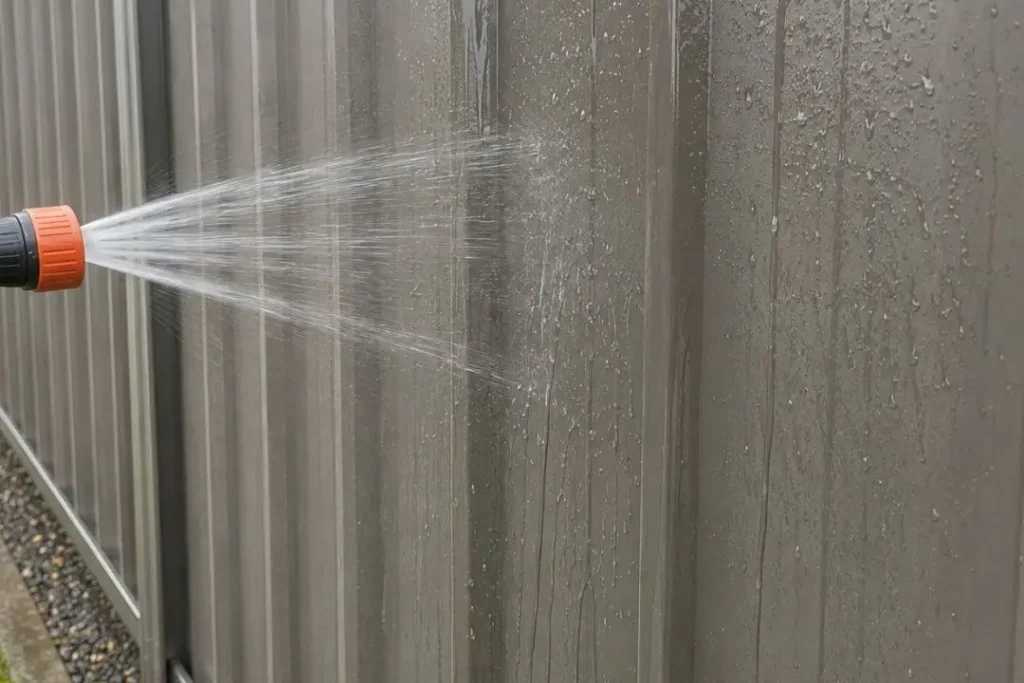
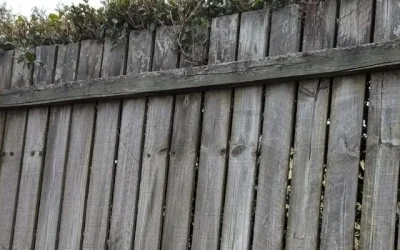
Timber fences need more regular care. Oiling or sealing every one to two years keeps the timber from drying out and cracking, and any damaged palings should be replaced promptly to prevent moisture getting into the posts. If you are not prepared to keep up with that schedule, timber will deteriorate faster than expected.
The maintenance gap between the two materials is one of the main reasons homeowners in coastal areas lean toward Colorbond, particularly on boundary fences that are harder to access for upkeep.
Appearance and Privacy: Where Timber Has the Edge
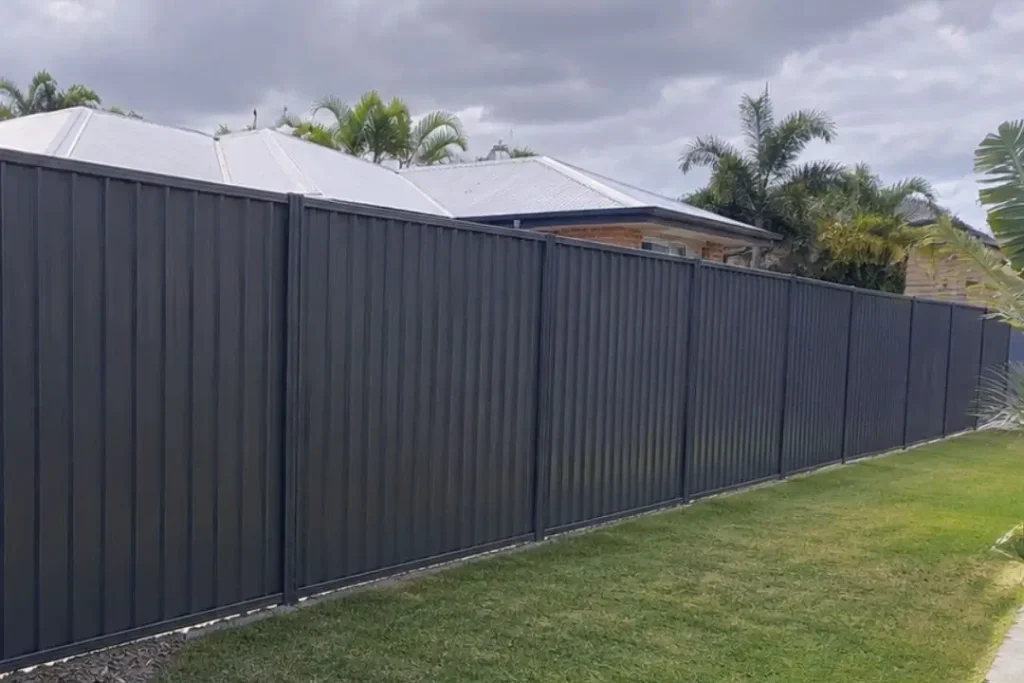
Colorbond fences deliver a clean, consistent look that suits modern homes and low-maintenance lifestyles. It comes in a range of colours and provides solid privacy with no gaps between panels.
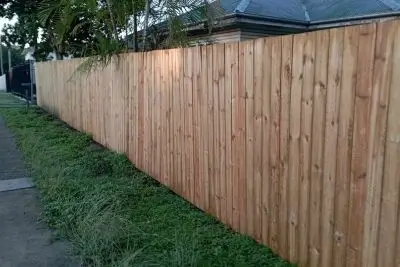
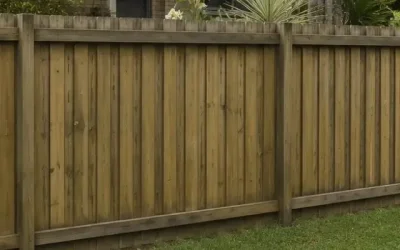
Timber has a warmth and texture that steel cannot replicate. For properties where the fence is a visible design feature, or where the surroundings are heavily landscaped, timber fences often feel more at home in the environment.
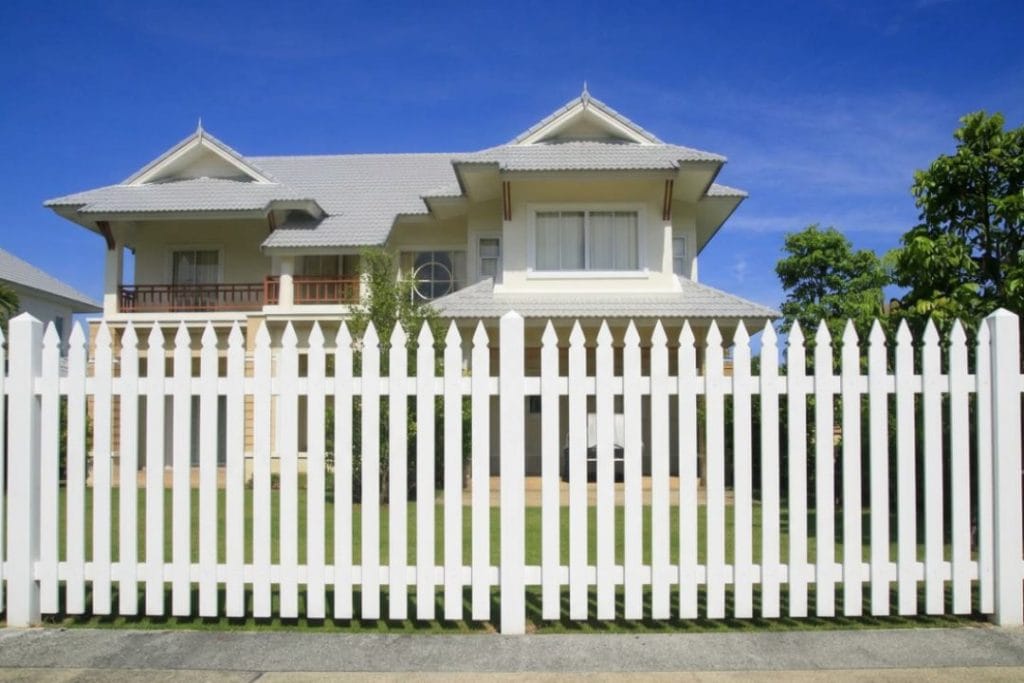
Both materials can be built to full privacy height, so the choice here comes down to aesthetics rather than function.
Cost Differences and What Drives Them
Colorbond generally costs more upfront than treated pine timber, but less than quality hardwood. Over a ten-year period, the lower maintenance costs of Colorbond often offset the higher initial price.
Hardwood timber fencing sits at a similar or higher price point to Colorbond, depending on the species and the complexity of the job. Treated pine is the most affordable option at installation, but it requires the most consistent upkeep to reach its expected lifespan.
The factors influencing the cost of a fence vary based on length, terrain, and material choice, so it is worth getting a site-specific quote rather than relying on general estimates.
Practical Situations Where Each Material Makes More Sense
Colorbond suits you if:
You want a fence that needs minimal attention after installation. It also works well on longer boundary runs, sloped blocks where custom panel sizing is needed, and properties close to the coast where salt air is a real factor.
Timber suits you if:
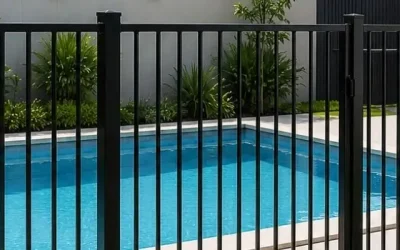
You want a natural aesthetic that blends with a garden or heritage-style home. It is also a practical choice for feature fencing, pool surrounds with specific design requirements, or situations where a warmer visual finish matters more than long-term convenience.
Which One Lasts Longer?
A well-installed Colorbond fence in a coastal area can last 30 years or more with minimal intervention. Hardwood timber, properly maintained, can reach a similar lifespan, though it depends heavily on the species, the treatment, and how consistently it is cared for.
Treated pine typically has a shorter effective lifespan than either hardwood or Colorbond, particularly in humid coastal conditions. It remains a popular choice because of its lower upfront cost, but the trade-off is more frequent maintenance and earlier replacement.
Making the Call: A Simple Way to Think About It
If low maintenance and long-term durability are your priorities, Colorbond is the more practical choice for most properties. If appearance and natural character matter more, and you are committed to keeping up with timber maintenance, a hardwood fence can be just as durable and far more visually distinctive.
Neither material is universally better. The right answer depends on your block, your budget, and how you plan to use the fence over the years ahead.
Talk to Us Before You Decide
If you are still weighing up your options, we are happy to walk you through what suits your property before you commit to anything. For Colorbond fencing Ballina homeowners trust, or advice on timber options across the Northern Rivers, including Bangalow and Teven fencing, reach out through our fencing enquiry page or call us directly on (02) 5602 5029 for your free onsite quote.