Why Coastal Conditions Demand a Different Approach to Fencing
Salt air is hard on almost everything, and fencing is no exception. Properties within a few kilometres of the ocean face accelerated corrosion, moisture exposure, and UV intensity that simply do not apply the same way inland.
Choosing the wrong material in a coastal environment does not just mean a fence that looks tired after a few years. It means rust, rot, structural failure, and the cost of replacing something you expected to last.
The Materials That Actually Hold Up Near the Ocean
Aluminium
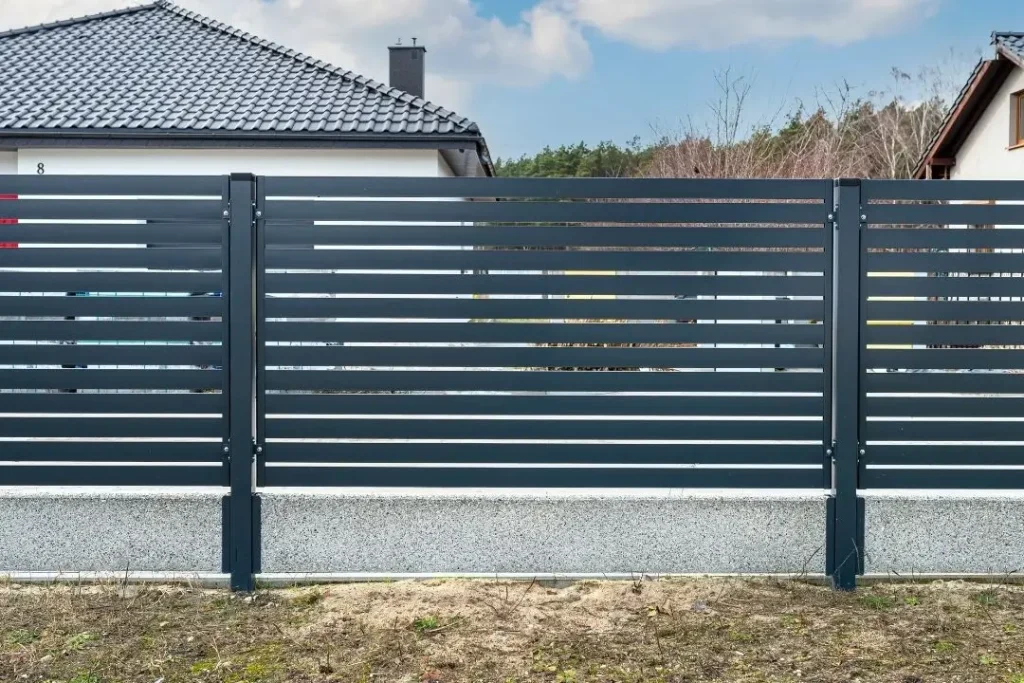
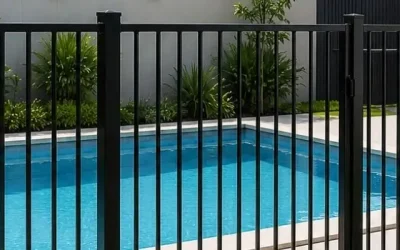
Aluminium does not rust. That single fact makes it one of the most practical choices for coastal properties, where salt-laden air attacks steel and iron constantly. It is lightweight, low maintenance, and holds its finish well in harsh UV conditions.
Aluminium fencing Ballina homeowners install tends to suit pool surrounds, front boundaries, and side fences where appearance matters as much as durability. The profiles available today are clean and contemporary, and they do not need painting or sealing to stay in good condition.
Colorbond Steel
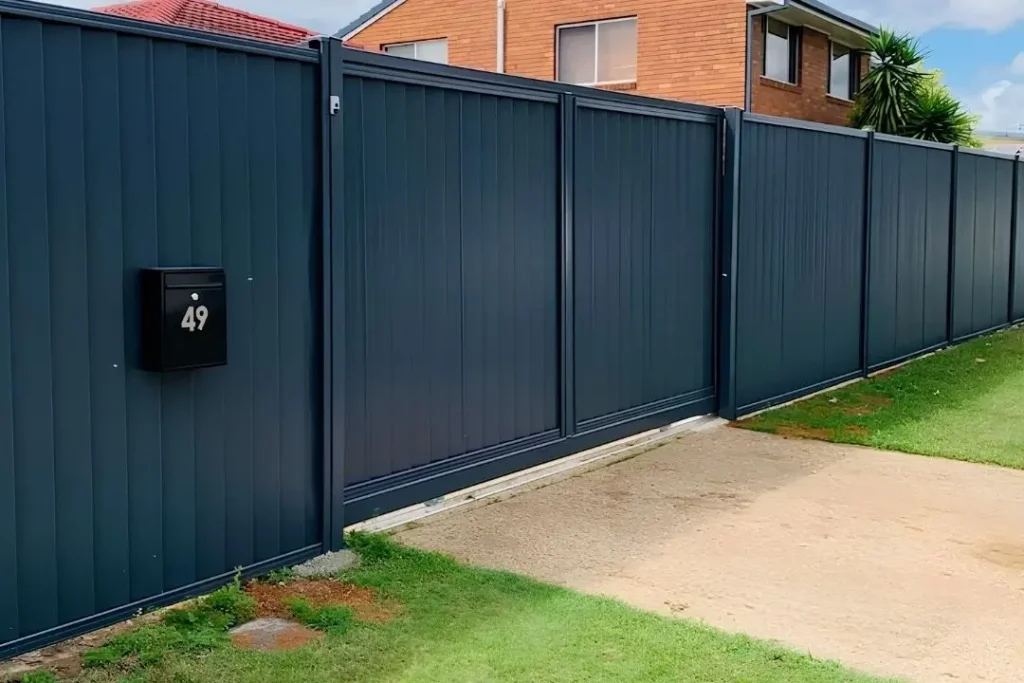
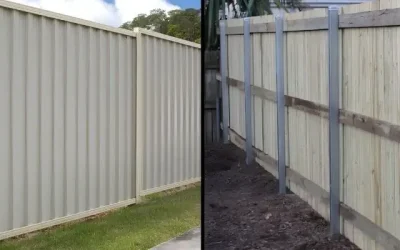
Colorbond is a strong performer in coastal areas, but the product specification matters. Steel behaves differently depending on how close a property sits to the ocean, and selecting the right grade for marine environments is important for long-term performance.
For properties in direct coastal exposure, a higher-grade Colorbond product designed for marine and industrial environments is worth specifying rather than a standard residential grade. The difference in longevity is significant. If you are weighing up Colorbond against other options, understanding how Colorbond compares to timber in terms of maintenance and lifespan is a useful starting point.
Timber
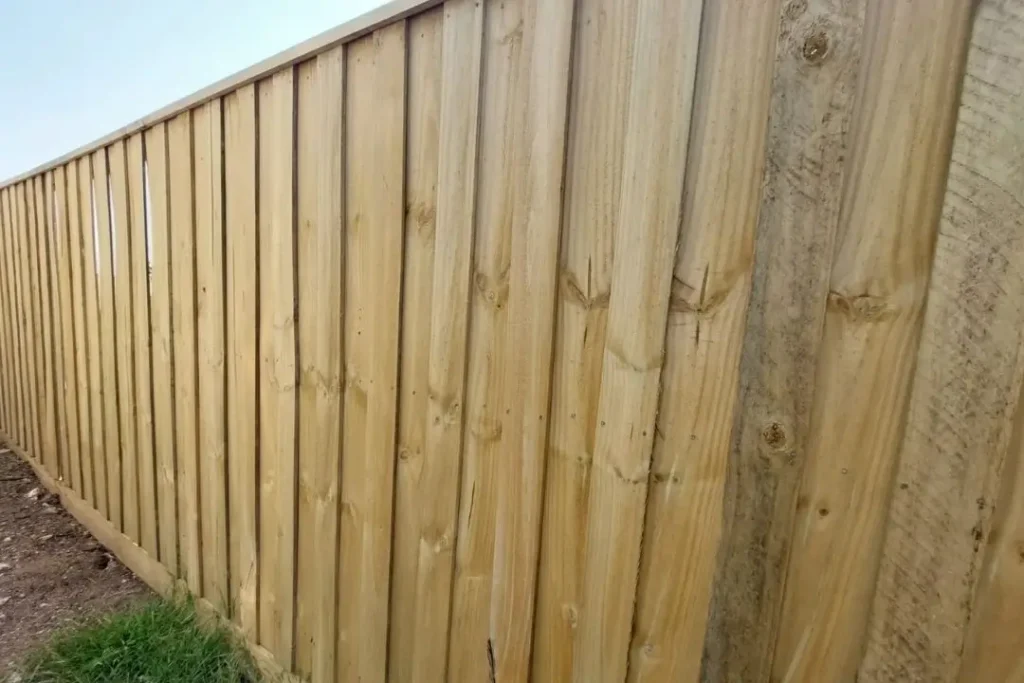
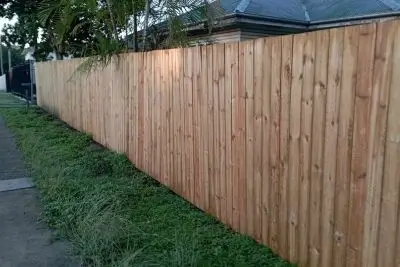
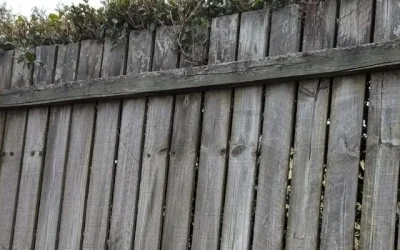
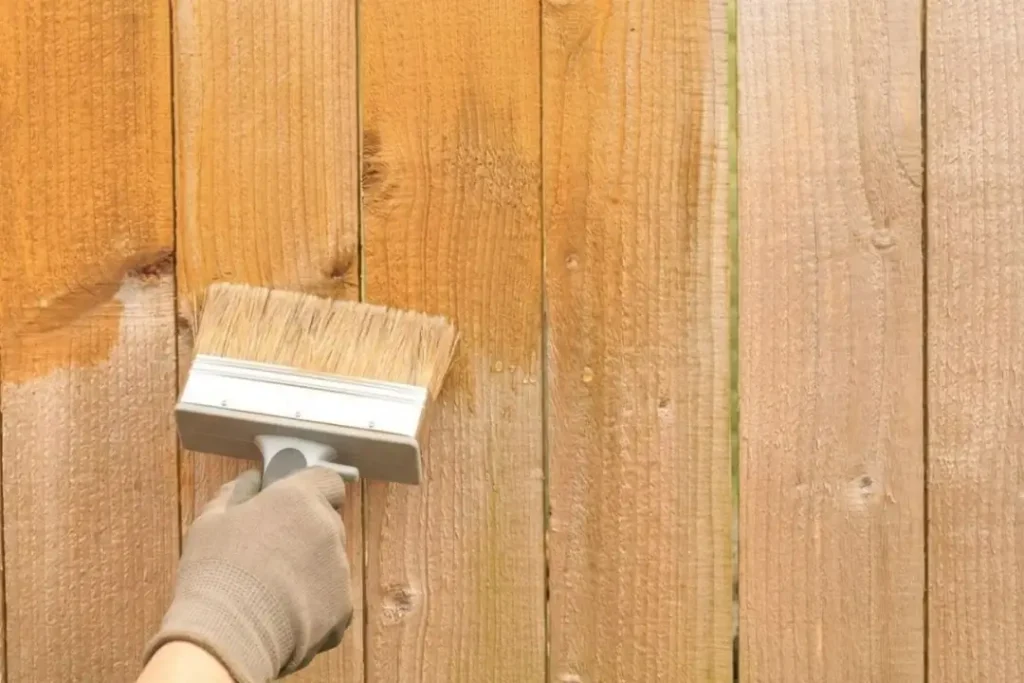
Timber fencing can work in coastal areas, but it requires consistent maintenance. Salt air dries out timber, accelerates weathering, and promotes rot if moisture gets into untreated or poorly sealed boards.
Hardwood species perform better than softwood in these conditions, but no timber fence is maintenance-free near the coast. Regular oiling, sealing, and inspection are part of owning a timber fence in the Northern Rivers.
Vinyl and Composite
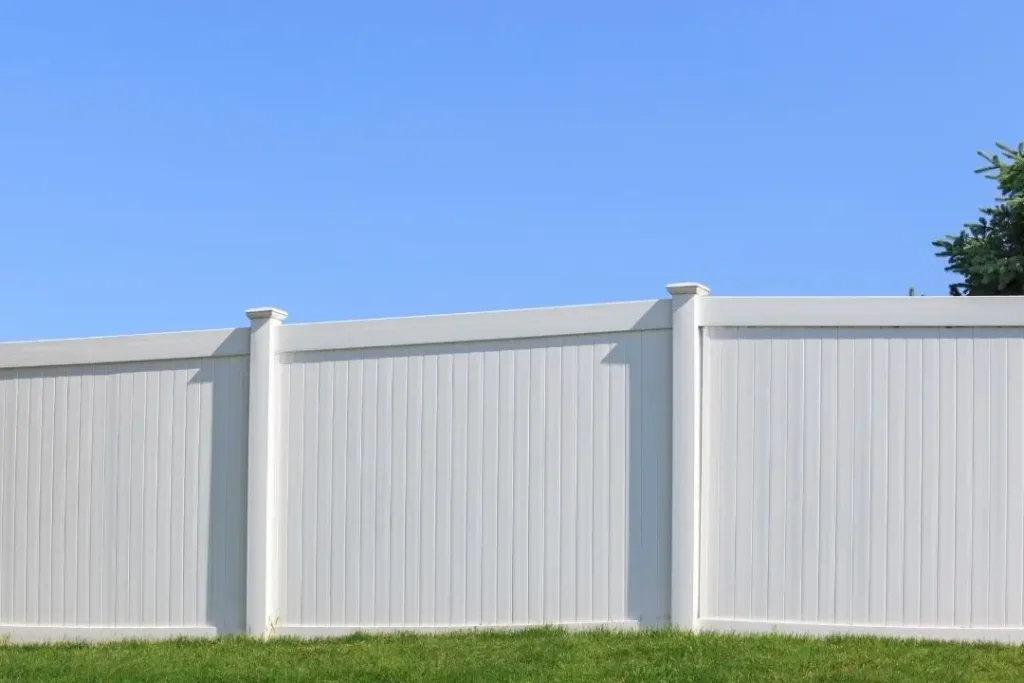
Vinyl and composite materials are not affected by salt air or moisture in the same way as timber or steel. They do not rust, rot, or require painting, which makes them a low-maintenance option in coastal conditions.
The trade-off is structural rigidity. Vinyl in particular can flex or become brittle over time in high UV environments, so it suits lower-impact applications rather than boundary fencing that needs to withstand wind loads.
What Distance from the Ocean Actually Changes
Corrosion risk does not drop off sharply once you move a few streets back from the beach. Salt particles travel further than most people expect, and properties within one to two kilometres of the shoreline still face elevated exposure compared to inland locations.
The closer a property sits to the water, the more important it becomes to choose materials and coatings rated for that environment. A standard residential Colorbond fence installed 200 metres from the beach will not perform the same way it would in a suburban street ten kilometres inland.
Maintenance Expectations by Material
Aluminium requires very little ongoing attention. An occasional rinse with fresh water to remove salt build-up is generally all that is needed to keep it in good condition.
Colorbond benefits from the same treatment, particularly on the side facing the prevailing sea breeze. Washing down the fence a few times a year removes salt deposits before they have a chance to work into the coating. Timber needs the most active maintenance of the common options, including periodic oiling or sealing and prompt attention to any cracking or peeling.
Matching the Right Material to Your Property
The best material for a coastal fence depends on a few practical factors: how close the property is to the ocean, what the fence needs to do (privacy, pool compliance, boundary definition), and how much ongoing maintenance the owner is willing to do.
For most residential properties in Ballina and the Northern Rivers, aluminium and Colorbond are the two materials that consistently perform well with minimal upkeep. Timber remains a viable option where aesthetics are the priority and the owner is committed to maintaining it properly.
Getting the Right Advice Before You Commit
A fence is a long-term investment, and the coastal environment adds a layer of complexity that is easy to underestimate. Talking through your specific site conditions before choosing a material saves money and frustration down the track.
Local knowledge matters here. A fencing contractor who works regularly in coastal areas will have a clear sense of what holds up and what does not in Northern Rivers conditions specifically.
Ready to Choose the Right Fence for Your Coastal Property?
Our team works across Ballina and the Northern Rivers and understands what the coastal environment demands from a fence. We can walk you through the right material options for your site, your budget, and your maintenance preferences.
For Ballina fencing installers locals trust for coastal properties, call us on (02) 5602 5029 or send us a message through our fencing enquiry form and we’ll discuss what’s right for your property and provide a free quote.